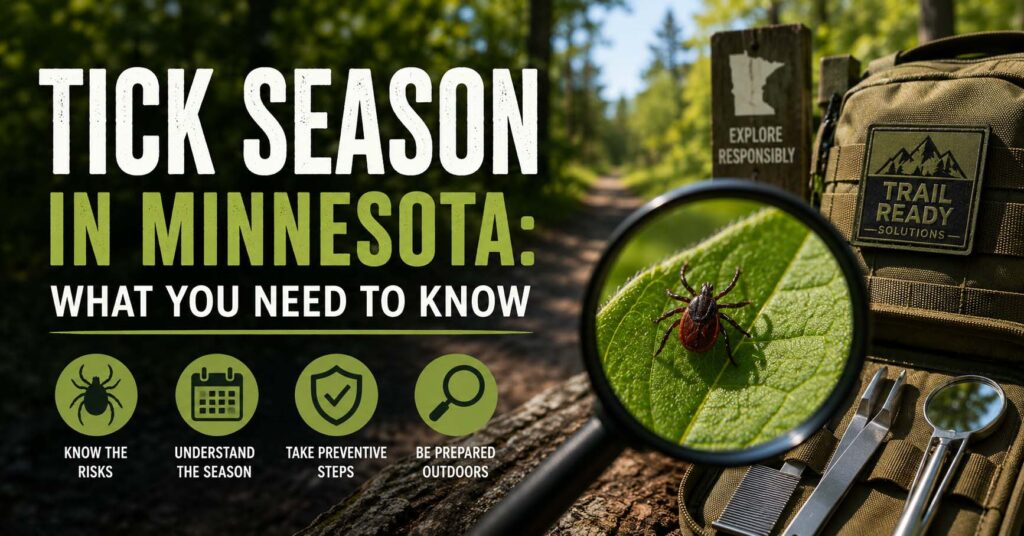
When most people think of tick bites, they immediately think of Lyme disease. It is a reasonable association; Lyme is the most common vector-borne disease in the United States, and the tell-tale “bull’s-eye” rash is widely recognized. However, focusing solely on Lyme disease can leave you dangerously unaware of the other serious illnesses carried by ticks.
Ticks are essentially dirty needles, and a single bite can transmit multiple pathogens simultaneously. In fact, coinfections are becoming increasingly common. Here is a guide to the other tick-borne diseases you need to be aware of before you head out on the trail.
Anaplasmosis: The Rapid-Onset Threat
Anaplasmosis is caused by the bacterium Anaplasma phagocytophilum and is transmitted primarily by the blacklegged (deer) tick. Unlike Lyme disease, which can take days or weeks to manifest, anaplasmosis symptoms often appear within one to two weeks of a bite.
Symptoms: Patients typically experience a sudden onset of high fever, severe headache, muscle aches, chills, and fatigue [1]. Because it rarely presents with a rash, it is frequently misdiagnosed as a severe summer flu.
The Danger: If left untreated, anaplasmosis can cause severe complications, including respiratory failure, bleeding problems, and organ failure. It is particularly dangerous for older adults and those with compromised immune systems.
Babesiosis: The Malaria-Like Parasite
Babesiosis is not caused by a bacterium, but by microscopic parasites (Babesia microti) that infect and destroy red blood cells. It is transmitted by the same blacklegged ticks that carry Lyme disease, meaning coinfection is a significant risk. Studies show that patients co-infected with Lyme and Babesia often experience more severe and prolonged symptoms [2].
Symptoms: Many people infected with Babesia do not feel sick. For those who do, symptoms include fever, chills, sweats, headache, body aches, loss of appetite, nausea, and fatigue [3]. Because the parasite destroys red blood cells, babesiosis can cause hemolytic anemia, leading to jaundice and dark urine.
The Danger: Babesiosis can be life-threatening for people without a spleen, the elderly, and those with weakened immune systems. Because it is a parasite, it requires different treatment (usually anti-parasitic drugs) than the antibiotics used for Lyme disease.
Powassan Virus: The Rare but Deadly Neurological Risk
While Lyme, anaplasmosis, and babesiosis require the tick to be attached for 24 to 48 hours to transmit the pathogen, Powassan virus is terrifyingly fast. Transmission can occur in as little as 15 minutes after the tick attaches.
Symptoms: Many people infected with Powassan virus never develop symptoms. However, for those who do, the initial signs include fever, headache, vomiting, and weakness.
The Danger: The virus can quickly progress to severe neurological diseases, including encephalitis (inflammation of the brain) and meningitis (inflammation of the membranes surrounding the brain and spinal cord). Symptoms of severe disease include confusion, loss of coordination, difficulty speaking, and seizures. Approximately 10% of Powassan virus encephalitis cases are fatal, and half of survivors suffer permanent neurological damage. There is currently no vaccine or specific treatment for Powassan virus.
Alpha-Gal Syndrome: The Meat Allergy
Alpha-gal syndrome is a bizarre and increasingly common condition transmitted primarily by the Lone Star tick. The tick bite transmits a sugar molecule called alpha-gal into the body. In some people, this triggers an immune system reaction that later produces mild to severe allergic reactions to red meat (beef, pork, lamb) and other mammalian products [4].
Symptoms: Allergic reactions typically occur 3 to 6 hours after eating meat and can range from hives, itching, and stomach upset to severe, life-threatening anaphylaxis.
Prevention is the Only Cure
With no vaccines available for these diseases and treatments varying wildly depending on the pathogen, your best defense is not getting bitten in the first place.
If you do get bitten, rapid and safe removal is your second line of defense. Because diseases like Powassan virus can be transmitted so quickly, you cannot afford to wait until you get home to remove a tick. Carrying a professional-grade kit, like the Trail Ready Solutions Tick Removal Kit, ensures you have the precision tools necessary to extract the tick immediately and safely, minimizing your risk of contracting any of these hidden threats.
References
[1] Washington State Department of Health, “Tick-borne Diseases,” https://doh.wa.gov/you-and-your-family/illness-and-disease-z/tick-borne-diseases [2] Ssentongo, P. et al., “Prevalence and Association of Babesia Coinfection,” PMC, https://pmc.ncbi.nlm.nih.gov/articles/PMC11460071/ [3] Columbia Doctors, “Babesiosis: The Other Tick Disease You Should Know,” https://www.columbiadoctors.org/news/babesiosis-other-tick-disease-you-should-know [4] Mayo Clinic, “Guide to different tick species and the diseases they carry,” https://www.mayoclinic.org/diseases-conditions/alpha-gal-syndrome/in-depth/tick-species/art-20546861
© 2026 Trail Ready Solutions. All Rights Reserved.